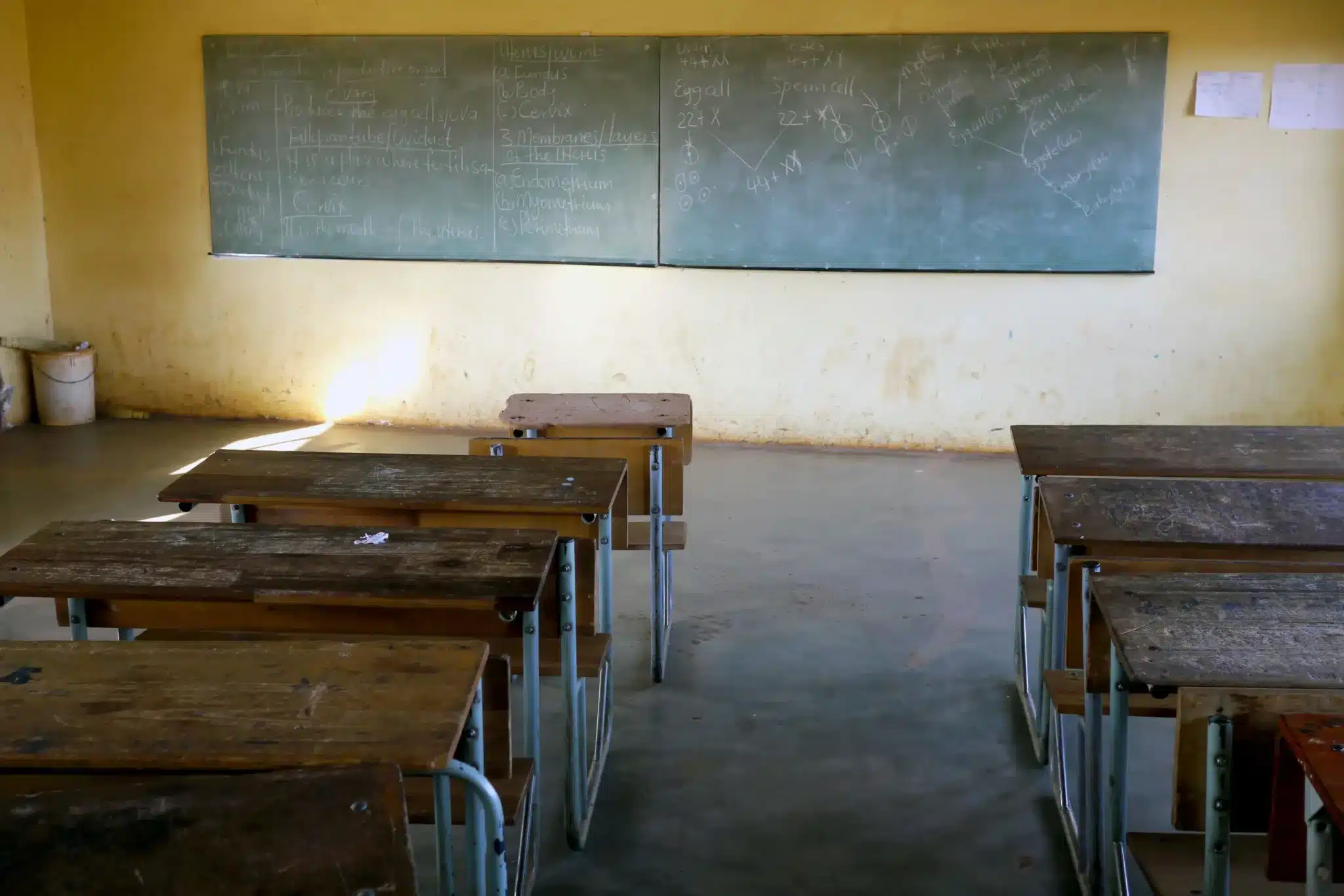

Africa’s Agenda 2063 promises a skills revolution. Tanzania’s Vision 2050 pledges a digital future. Classrooms are filling up with over 40,000 computers. But walk into many of these “digitally transformed” schools, and you’ll find a silent crisis.
The devices are there. The teachers are there. But the revolution? It’s missing in action.
We’ve built the hardware, but we forgot the heartware. While the government and partners have trained over 15,000 teachers, the brutal truth is this: brief workshops are creating a generation of teachers who can turn on a laptop, but have no idea how to use it to teach.
This isn’t a funding problem. It’s a training tragedy. And it’s creating a multi-million-dollar graveyard of wasted technology.
The Weak Link Everyone Sees, But No One Fixes
The issue isn’t access. It’s capacity. Teachers are given a few days of training and then thrown back into the classroom, isolated and unsupported. They lack:
- Pedagogical Support: How to turn a digital tool into an engaging, curriculum-aligned lesson.
- Continuous Mentorship: A coach to turn to when a lesson fails or a platform glitches.
- Peer Collaboration: A community to share wins and solve problems with.
The result? A quiet chasm between the potential of technology and the reality of the classroom. Projectors become expensive movie screens. Laptops gather dust. This is the unspoken failure of our digital push: we’re investing in devices, not in people.
The Blueprint for a Real Revolution (And It’s Already Here)
The solution isn’t to slow down. It’s to change direction. And the blueprint is already being tested.
The Tanzania Institute of Education (TIE) is quietly building the foundation for a real transformation. Its TCPD Learning Management System (LMS) already serves 120,000 teachers with 37 professional development modules. It’s not just about one-off training; it’s about building “Communities of Learning” that offer continuous peer support and mentorship.
This is the shift we need: from episodic workshops to an embedded ecosystem of support.
Now, with UNESCO backing and 15 new ICT modules in development, TIE is poised to become the true engine of change. It’s moving from being a content gatekeeper to a capacity-building powerhouse.
The Choice: Ornamental Tech or Empowered Teachers?
Tanzania stands at a crossroads. We can continue to measure success by the number of devices shipped—a metric that fills storage rooms, not minds.
Or, we can start measuring what truly matters:
- How many teachers feel confident using tech in their lessons?
- How often are students engaged by digital content?
- Is the technology actually improving learning outcomes?
The future of Tanzania’s digital education doesn’t depend on the next shipment of tablets. It depends on whether we choose to invest as heavily in our teachers as we do in our hardware.
The tools are already in the classroom. It’s time to unlock the potential in the people using them.